



p38α
p38α (MAPK14) is a ubiquitously expressed isoform of the p38 mitogen-activated protein kinase (MAPK) family that orchestrates cellular responses to stress and inflammatory stimuli[1][2]. Mechanistically, p38α regulates gene transcription through phosphorylation of downstream effectors such as MSK1/2, Smad3, and RUNX-2, enabling control of differentiation, proliferation, and apoptosis in diverse cell types[3][4][5]. In skeletal muscle, p38α associates with chromatin at active promoters during myoblast differentiation, promoting transcriptional activation of myogenic genes and repressing early differentiation inhibitors[5]. In endothelial cells, p38α modulates actin cytoskeleton remodeling, angiogenesis, and DNA damage responses, critically influencing vascular integrity and homeostasis[1]. Disease relevance is highlighted by its involvement in neurodegenerative disorders, including Alzheimer’s disease, where aberrant p38α activation drives neuronal dysfunction through Rab5-mediated endosomal signaling[6][7][8][9]. Compared with other isoforms such as p38β, γ, and δ, p38α displays distinct substrate specificity and regulatory roles, particularly in inflammatory and neurodegenerative contexts[10][2]. Pharmacological inhibition of p38α using selective small molecules like MW150 or ED-substrate-targeted compounds has demonstrated efficacy in stabilizing endothelial barriers, rescuing neuronal function, and attenuating disease-relevant transcriptional programs without affecting non-target isoforms[3][8][11]. These properties make p38α a critical mechanistic target for experimental studies of inflammation, neurodegeneration, and skeletal muscle differentiation.
References:
- [1]. Shah NG, et al. Novel Noncatalytic Substrate-Selective p38α-Specific MAPK Inhibitors with Endothelial-Stabilizing and Anti-Inflammatory Activity. J Immunol. 2017 Apr 15;198(8):3296-3306. [Content Brief]
- [2]. Koivisto E, et al. Distinct regulation of B-type natriuretic peptide transcription by p38 MAPK isoforms. Mol Cell Endocrinol. 2011 May 16;338(1-2):18-27. [Content Brief]
- [3]. Rasheed Z, et al. Pomegranate extract inhibits the interleukin-1β-induced activation of MKK-3, p38α-MAPK and transcription factor RUNX-2 in human osteoarthritis chondrocytes. Arthritis Res Ther. 2010;12(5):R195. [Content Brief]
- [4]. Iñesta-Vaquera F, et al. Alternative p38 MAPK pathways[M]//Stress-Activated Protein Kinases. Berlin, Heidelberg: Springer Berlin Heidelberg, 2007: 17-32.
- [5]. Romero-Becerra R, et al. p38 MAPK Pathway in the Heart: New Insights in Health and Disease. Int J Mol Sci. 2020 Oct 8;21(19):7412. [Content Brief]
- [6]. Germann UA, et al. P38α MAPK Signaling-A Robust Therapeutic Target for Rab5-Mediated Neurodegenerative Disease. Int J Mol Sci. 2020 Jul 31;21(15):5485. [Content Brief]
- [7]. Corre I, et al. The p38 pathway, a major pleiotropic cascade that transduces stress and metastatic signals in endothelial cells. Oncotarget. 2017 May 29;8(33):55684-55714. [Content Brief]
- [8]. Segalés J, et al. Chromatin-wide and transcriptome profiling integration uncovers p38α MAPK as a global regulator of skeletal muscle differentiation. Skelet Muscle. 2016 Mar 15;6:9. [Content Brief]
- [9]. Frazier HN, et al. A small molecule p38α MAPK inhibitor, MW150, attenuates behavioral deficits and neuronal dysfunction in a mouse model of mixed amyloid and vascular pathologies. Brain Behav Immun Health. 2024 Jul 23;40:100826. [Content Brief]
- [10]. Detka J, et al. p38α Mitogen-Activated Protein Kinase-An Emerging Drug Target for the Treatment of Alzheimer's Disease. Molecules. 2024 Sep 13;29(18):4354. [Content Brief]
- [11]. Carlini MJ, et al. Identification of p38 MAPK inhibition as a neuroprotective strategy for combinatorial SMA therapy. EMBO Mol Med. 2025 Oct;17(10):2762-2786. [Content Brief]
-
p38α Related Products (74)
Related Products (74)

-
Antibodies (1)
-
SB 202190
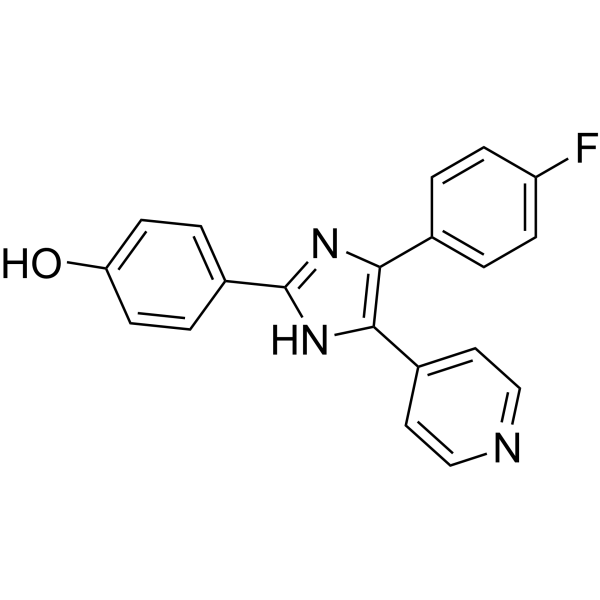 0 ImagesSB 202190 is a selective p38 MAP kinase inhibitor with IC50s of 50 nM and 100 nM for p38α and p38β2, respectively. SB 202190 binds to the ATP pocket of the active recombinant human p38 kinase with a Kd of 38 nM. SB 202190 has anti-cancer activity and rescued memory deficits. SB202190 induces autophagy.
-
Doramapimod
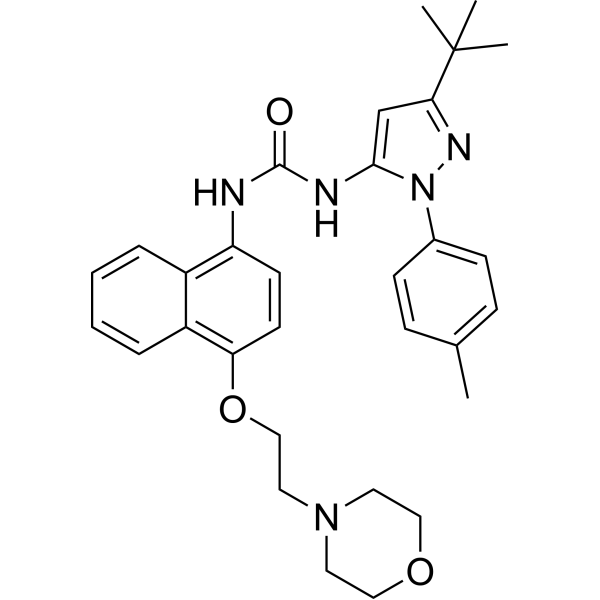 0 ImagesSynonyms: BIRB 796
-
Naporafenib
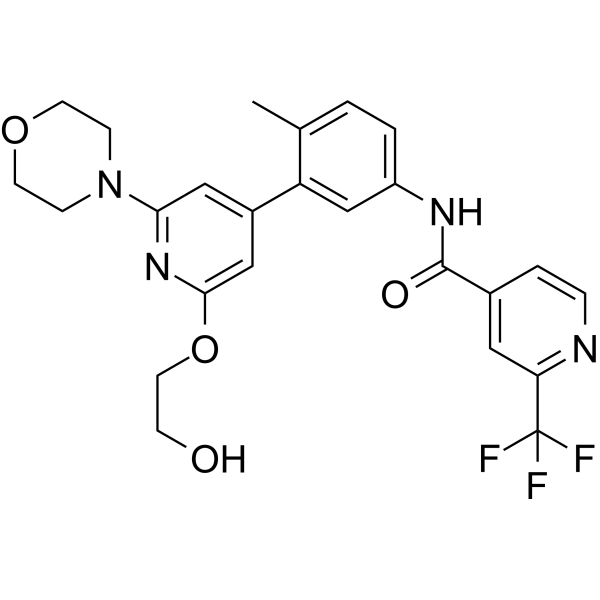 0 ImagesSynonyms: LXH254Naporafenib (LXH254) is a potent, selective, orally active, type II BRAF and CRAF inhibitor, with IC50 values of 0.072 and 0.21 nM against CRAF and BRAF, respectively.
-
Ralimetinib dimesylate
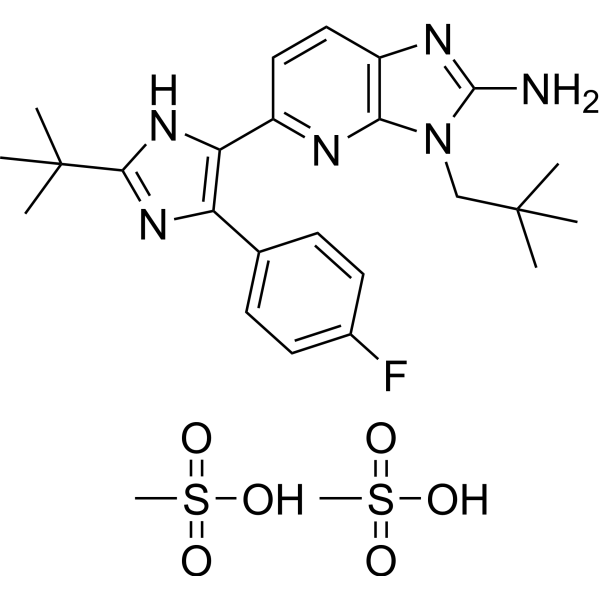 0 ImagesSynonyms: LY2228820 dimesylateRalimetinib dimesylate (LY2228820 dimesylate) is a selective, ATP-competitive inhibitor of p38 MAPK α/β with IC50s of 5.3 and 3.2 nM, respectively. Ralimetinib (LY2228820) selectively inhibits phosphorylation of MK2 (Thr334), with no effect on phosphorylation of p38a MAPK, JNK, ERK1/2, c-Jun, ATF2, or c-Myc.
-
Neflamapimod
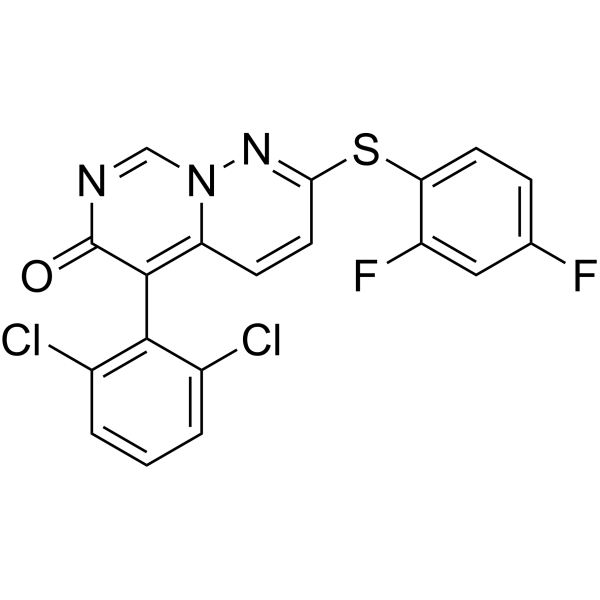 0 ImagesSynonyms: VX-745

-
p38α-IN-14
 0 ImagesCat. No.: HY-184936p38α-IN-14 is a selective p38α inhibitor with an IC50 of 65 nM. p38α-IN-14 exhibits only weak inhibitory activity against hERG channels, with an IC50 > 30 μM. p38α-IN-14 can be used in the research of chronic inflammatory and autoimmune diseases, including rheumatoid arthritis, psoriasis and inflammatory bowel disease.
-
12(S)-HEPE
 0 Images12 (S)-HEPE is an oxidation product of Eicosapentaenoic acid (HY-B0660). 12 (S)-HEPE activates p38α, GSKβ, CREB, and ERK1/2. 12 (S)-HEPE induces DNA synthesis. 12 (S)-HEPE leads to activation of the PI3K-mTORC2-Akt signaling pathway and translocation of Glut4 to the plasma membrane. 12 (S)-HEPE increases glucose uptake. 12 (S)-HEPE reduces body weight gain in HFD mice. 12 (S)-HEPE can be used in research on colorectal cancer, zymosan-induced peritonitis, diabetes, and obesity.
-
SB 202190 hydrochloride
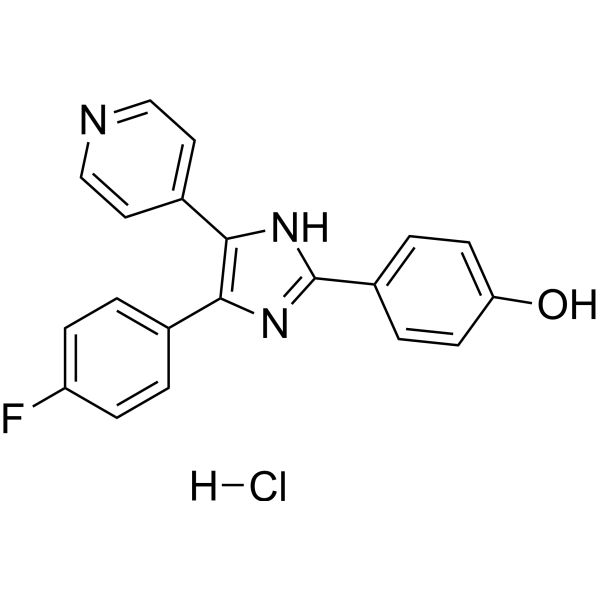 0 ImagesSB 202190 hydrochloride is a selective p38 MAP kinase inhibitor with IC50s of 50 nM and 100 nM for p38α and p38β2, respectively. SB 202190 hydrochloride binds to the ATP pocket of the active recombinant human p38 kinase with a Kd of 38 nM. SB 202190 hydrochloride has anti-cancer activity. SB202190 hydrochloride induces autophagy.
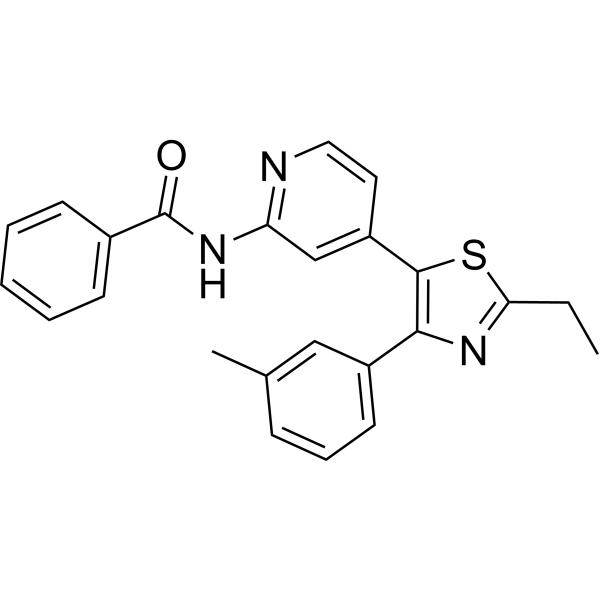
-
AMG-548 dihydrochloride
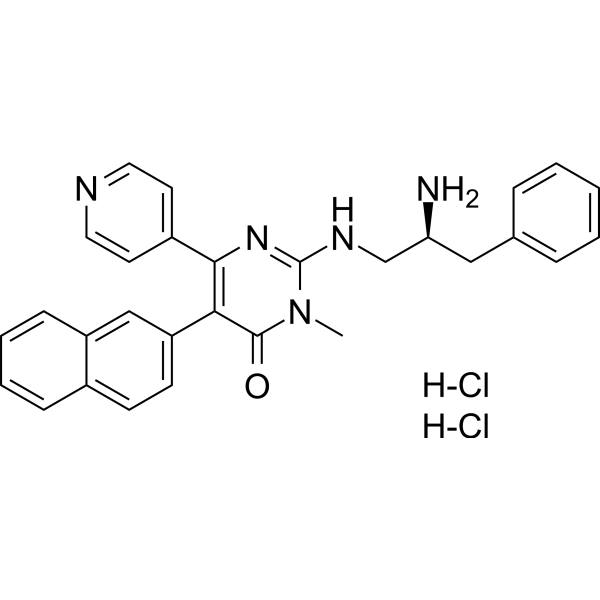 0 ImagesAMG-548 dihydrochloride, an orally active and selective p38α inhibitor (Ki=0.5 nM), shows slightly selective over p38β (Ki=36 nM) and >1000 fold selective against p38γ and p38δ. AMG-548 dihydrochloride is also extremely potent in the inhibition of whole blood LPS stimulated TNFα (IC50=3 nM). AMG-548 dihydrochloride inhibits Wnt signaling by directly inhibiting Casein kinase 1 isoforms δ and ε.
-
Talmapimod
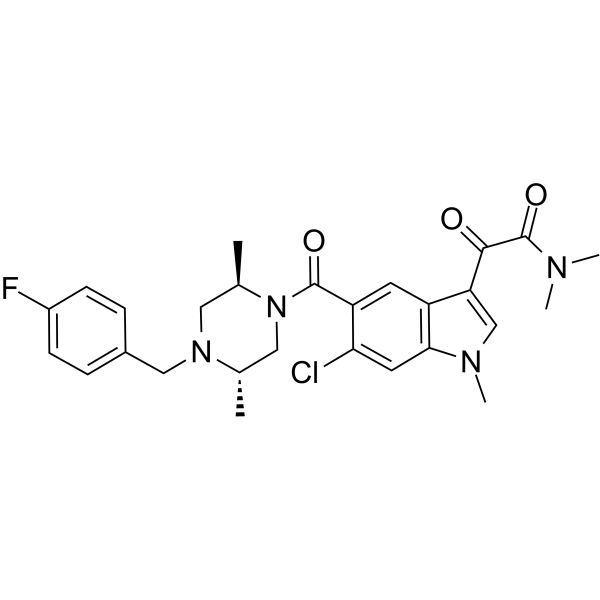 0 ImagesSynonyms: SCIO-469Talmapimod (SCIO-469) is an orally active and selective inhibitor of p38α MAPK with an IC50 of 9 nM. Talmapimod inhibits the secretion of inflammatory factors (such as TNFα, IL-1β, IL-6, and VEGF) by suppressing the p38α MAPK pathway, and it also inhibits angiogenesis and osteoclast activation. Talmapimod inhibits the growth of multiple myeloma cells and induces apoptosis. Talmapimod can be used to study various hematological malignancies (such as multiple myeloma, myelodysplastic syndrome).
-
Pamapimod
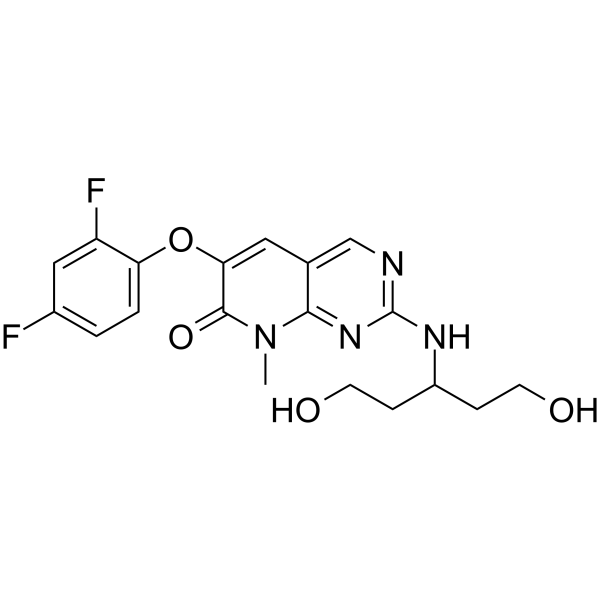 0 ImagesSynonyms: Ro4402257; R1503Pamapimod (Ro4402257) is a potent, selective and orally active p38 MAPK inhibitor with IC50s of 14 nM and 480 nM and Kis of 1.3 nM and 120 nM for p38α and p38β, respectively. Pamapimod has no activity against p38δ or p38γ isoforms. Pamapimod has the potential for rheumatoid arthritis and other autoimmune diseases treatment.
-
AMG-548
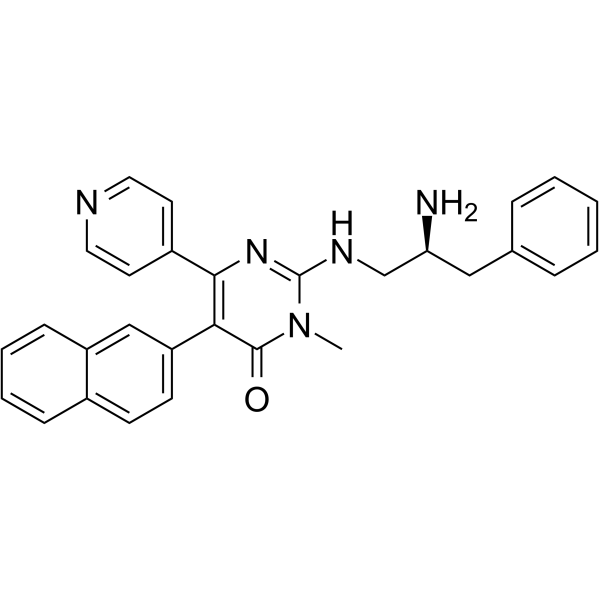 0 ImagesAMG-548, an orally active and selective p38α inhibitor (Ki=0.5 nM), shows slightly selective over p38β (Ki=36 nM) and >1000 fold selective against p38γ and p38δ. AMG 548 is also extremely potent in the inhibition of whole blood LPS stimulated TNFα (IC50=3 nM). AMG-548 inhibits Wnt signaling by directly inhibiting Casein kinase 1 isoforms δ and ε.
-
Ralimetinib
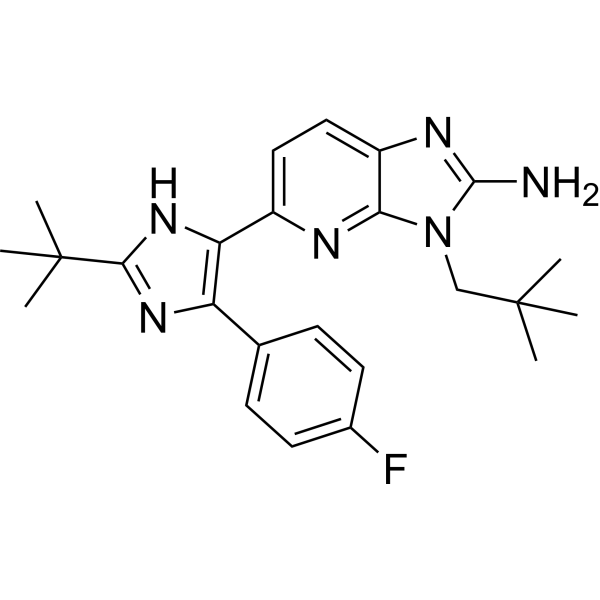 0 ImagesSynonyms: LY2228820Ralimetinib is an ATP-competitive p38α and p38β MAPK inhibitor with an IC50 of 5.3 nmol/L against human p38α and an IC50 of 3.2 nmol/L against human p38β. Ralimetinib slows tumor growth in preclinical in vivo cancer models, exhibits oral bioavailability in mice, and achieves sustained target inhibition for 4 to 8 h. Ralimetinib is applicable for research on melanoma, non-small cell lung cancer, ovarian cancer, glioma, multiple myeloma, breast cancer, renal cancer, and head and neck squamous cell carcinoma.
-
CK1-IN-1
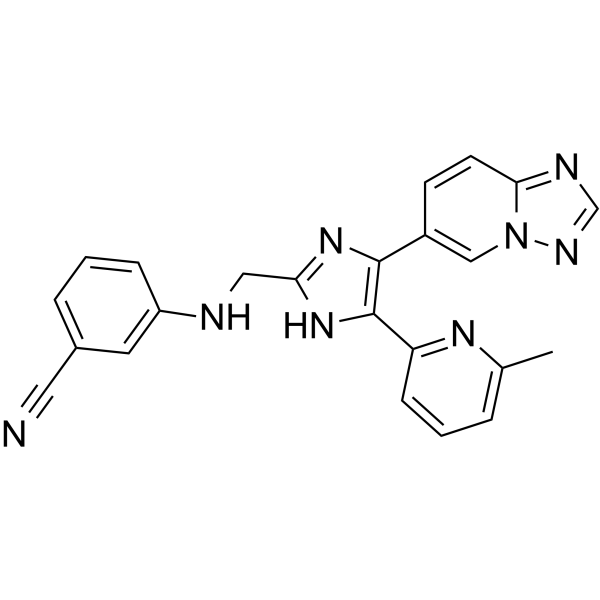
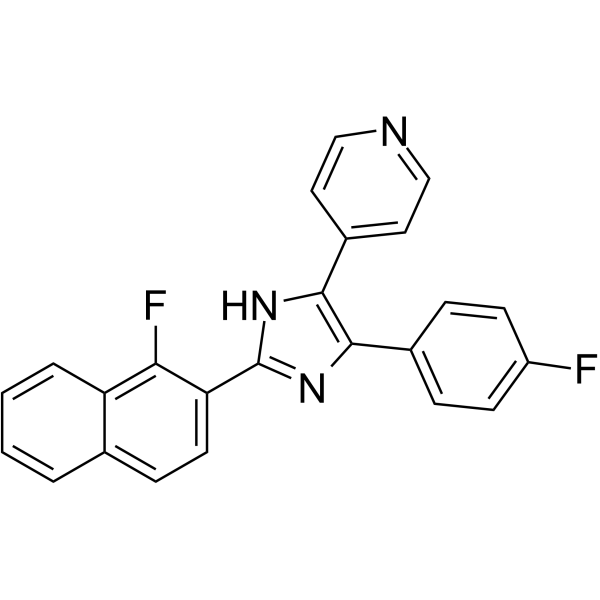 0 ImagesCK1-IN-1 (Compound 1c) is a casein kinase 1 (CK1) inhibitor with IC50 values of 15 nM and 16 nM for CK1δ and CK1ε, respectively. CK1-IN-1 inhibits p38α MAPK with an IC50 of 73 nM. CK1-IN-1 can be used to study cardiomyogenesis.




